The Black National Anthem
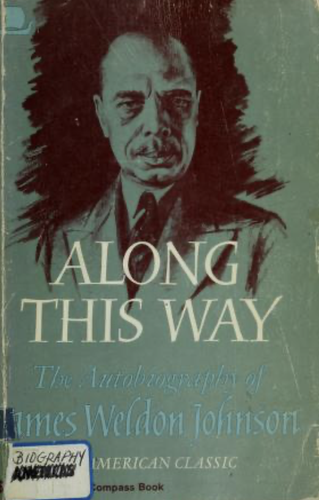
As a school principal, James Weldon Johnson wrote a poem in 1900 that would resound through the history of Black America to the present day. Paired with music by his composer brother, J. Rosamond Johnson, the poem became the hymn 'Lift Every Voice and Sing,' which we know as the Black National Anthem. First sung by a 500-student school choir at the segregated Stanton School to celebrate President Abraham Lincoln's birthday, the song found its home amongst Black communities.
This page is an invitation to learn more about that record.
Source Spotlight: CTA Journals and the Anthem
For K–12 educators, the Colored Teachers Associations journals in The Black Teacher Archive offer an unparalleled window into how Black teachers centered "Lift Every Voice and Sing" as a professional and communal ritual. The following search prompts and journals are recommended entry points for archival research and classroom use.
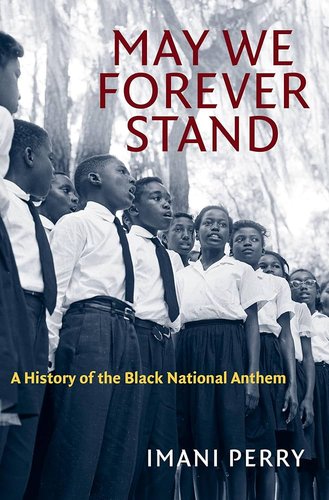
Imani Perry, May We Forever Stand: A History of the Black National Anthem (UN Press, 2018)
May We Forever Stand
In May We Forever Stand, Dr. Imani Perry traces the journey of "Lift Every Voice and Sing" from its origins as a school song performed by Black children in Jacksonville, Florida, to its life as the Black National Anthem.
The anthem was sung at NAACP conventions, Black college commencements, civil rights marches, and the Oval Office. Drawing on graduation programs, op-eds, school curricula, civic organization records, novels, and professional journals, Perry argues that the anthem became inseparable from what she calls “Black formalism:” the dignified rituals, codes of conduct, and structured ways of being that Black institutions, especially schools, cultivated during and after the era of legal segregation.
May We Forever Stand centers Black schools as sites of cultural production, Black teachers as the primary carriers of a collective identity the state never sanctioned, and the kind of pedagogical work that does not appear in lesson plans or standardized tests but shapes generations nonetheless.
The Black National Anthem as Pedagogy
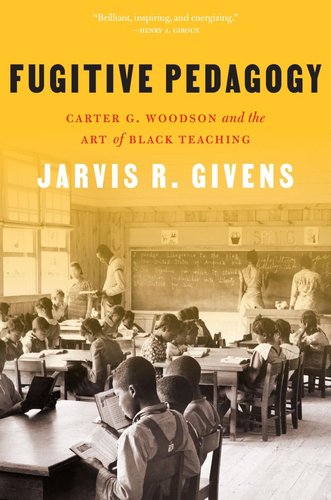
The classroom was one of the anthem's first homes. Search BTA for school programs, commencement records, or teacher sentiments that show Black teachers as stewards of the lyrics.
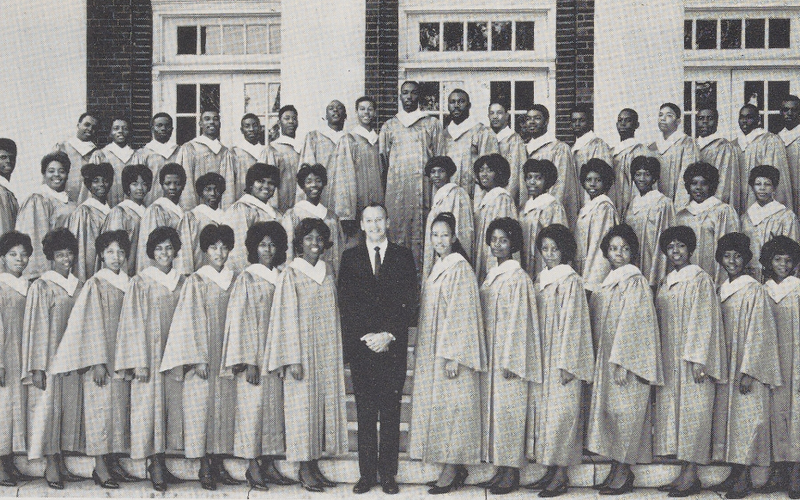
Black Formalism in Practice
Perry calls it Black formalism: the rituals and codes Black schools cultivated as protection and expression. Search dress codes, ceremony programs, and conduct guidelines. Teachers shaped not just what students knew but how they carried themselves.
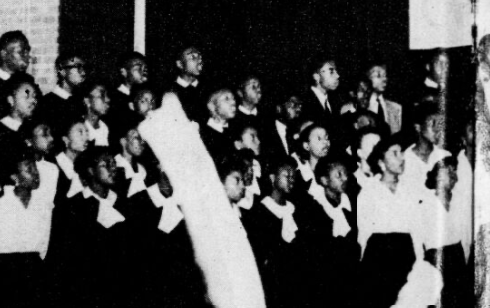
"Lift Every Voice" in CTA Journals
Colored Teachers Associations printed the anthem on journal covers, in conference programs, in professional essays. Search BTA's CTA holdings. Find it.
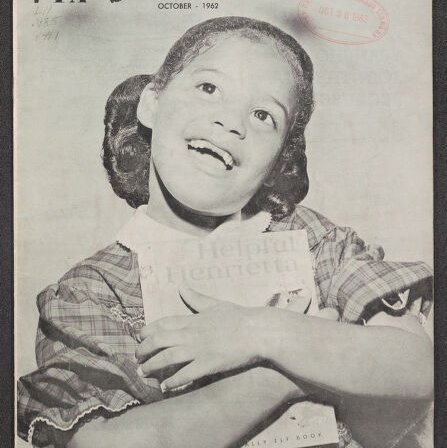
Florida State Teachers Association (FSTA Bulletin)
FSTA proceedings and bulletins document how Florida's Black teachers integrated the anthem into professional meetings and school-year observances from the early twentieth century forward.

![Cover image for [not numbered]](https://mps.lib.harvard.edu/assets/images/drs:494920127/full/!800,500/0/default.jpg)

Virginia Teachers Association (Virginia Teachers Bulletin)
Virginia's robust network of Black public schools and historically Black colleges produced one of the most sustained records of Black teacher professionalism in the South. The Bulletin documents the anthem's place within a larger architecture of Black educational formalism: alongside dress codes, commencement rituals, and civic ceremony.


National Association of Teachers in Colored Schools (NATCS Proceedings)
The national body for Black educators published proceedings that reveal how the anthem traveled from regional practice to national norm within Black professional life. NATCS documents are essential for understanding the anthem not as a grassroots phenomenon but as a deliberate institutional choice made by organized Black educators.


Essential Questions
These questions are designed for K–12 educators teaching Black history, music history, African-American literature, or civic education. They can be adapted across grade levels and are intended to guide both text-based inquiry and primary source analysis.
- What does it mean for a song to become part of the curriculum, and who decides that?
- How did Black teachers transmit cultural knowledge that the state never sanctioned and no official curriculum required?
- What is "Black formalism," and how did schools cultivate it? What was at stake in maintaining it?
- What role did professional Black teacher organizations play in sustaining Black cultural life during segregation?
- How do we read music as a primary source? What does "Lift Every Voice and Sing" tell us that other artifacts cannot?
- The anthem's prominence has waxed and waned across history. What does its resurgence in particular moments (the civil rights movement, the post-Ferguson era) reveal about how Black Americans use culture to respond to crisis?
- If Black teachers had not sung this song in classrooms, would it have survived? What does the answer tell us about the relationship between pedagogy and cultural memory?
Classroom Activities
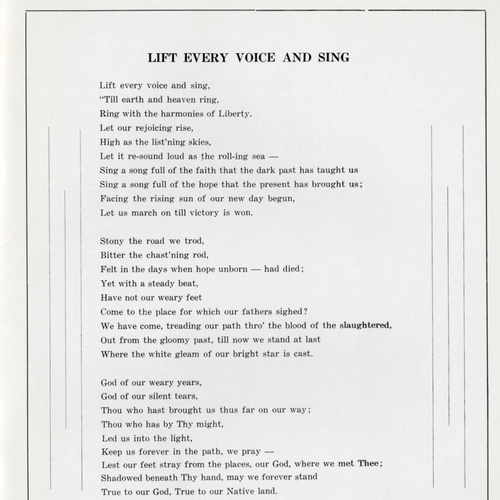
Close Reading
Treat the lyrics of "Lift Every Voice and Sing" as a literary primary source. What historical experiences do the lyrics encode? What vision of the future do they project? How do the three stanzas differ in tone and temporality?
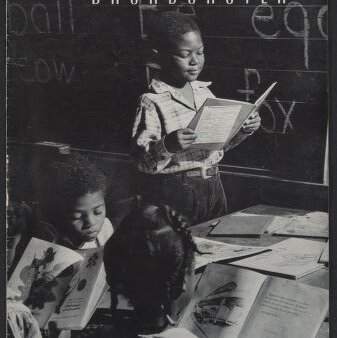
Local Research
Research when and where schools in your community sang "Lift Every Voice and Sing." Start with The Black Teacher Archive and then extend your search by consulting local newspaper archives or school board records. When did they sing it? When did they stop and why?
Oral History
Ask an adult who attended a Black school during or after segregation to describe their first memory of "Lift Every Voice." What did teachers tell them about the song? Was it explained or simply performed? What does that transmission style itself reveal?